
Travel Guide
Best Time to Visit Adi Kailash: Weather, Seasons & Travel Tips
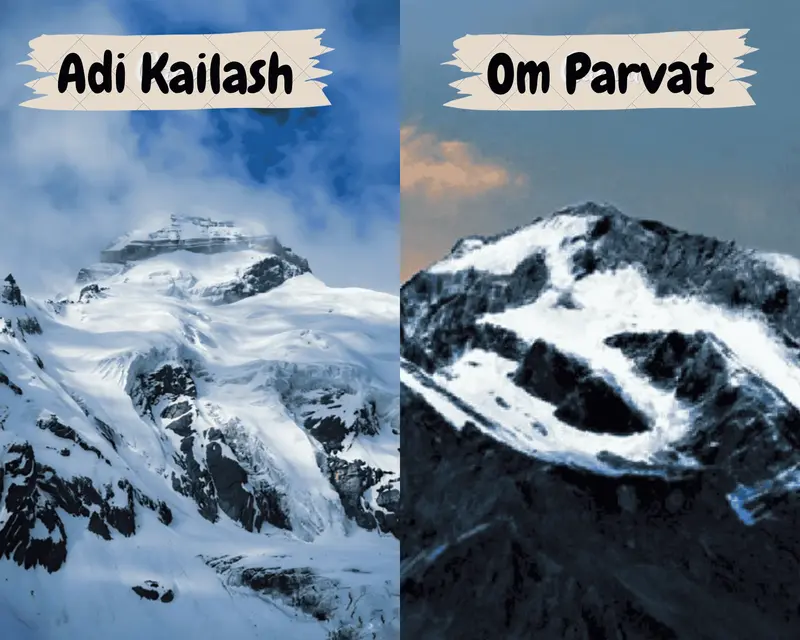
The Adi Kailash Yatra (also called Chhota Kailash) is a deeply spiritual high‑altitude pilgrimage in Uttarakhand's Kumaon region. Because the route crosses remote terrain and high passes, choosing the right season is essential for safety and to make the most of the experience. Below is a clear, practical guide to the best months to travel, what to expect in each season, and specific tips to plan your trip.
May — June (Pre‑Monsoon)
Clear skies, accessible roads and the best visibility of peaks including Om Parvat. Expect more pilgrims and regular services in homestays and dhabas.
- Roads mostly clear from snow
- Best balance of comfort and views
- Book early — peak season
Mid‑September — Mid‑November (Post‑Monsoon)
A quieter, especially beautiful window. Rivers run clean, vegetation is lush and skies are crisp — great for photography and solitude.
- Fewer crowds, excellent light for photos
- Cooler nights — pack warm layers
- Some remote services wind down by early November
Seasons to avoid
Avoid July–early September (monsoon) due to heavy rains and landslide risk; and late November–April (winter) when high passes are snowbound, many homestays close and permits may be restricted.
Month‑by‑month snapshot
| Month | What to expect | Suitability |
|---|---|---|
| May | Clear skies, lingering snow on peaks, services in full swing | Best (crowded) |
| June | Warm days, occasional pre‑monsoon showers later in month | Best (crowded) |
| July–August | Monsoon — heavy rain, landslide risk; slippery trails | Avoid |
| September | Clear post‑monsoon skies; greener valleys | Excellent |
| October | Crisp days, cold nights; spectacular visibility | Excellent |
| November | Cold; early snow possible in late month | Moderate — early Nov |
| Dec–Apr | Heavy snow, high passes closed, services limited | Closed/Unsafe |
Practical tips for timing and safety
Suggested packing (short checklist)
- Layered clothing (thermals, fleece, windproof jacket)
- Warm hat, gloves, and good trekking socks
- Waterproof trekking shoes and spare laces
- Sunscreen, sunglasses and lip balm
- Personal medication and a basic first‑aid kit
- Power bank and spare cables (limited charging in homestays)
- Hard copies of permits and booking confirmations
- Small daypack and reusable water bottle
Which window should you pick?
Frequently asked questions
Are flights or airports included in packages?
Can I do the yatra solo?
Related reads: Adi Kailash — Complete Guide | Om Parvat: The Sacred Peak