
Pilgrimage & Travel
15 Reasons Why You Must Visit Adi Kailash & Om Parvat — A Once-in-a-Lifetime Pilgrimage
Clear, practical and inspiring reasons to plan this sacred Himalayan journey.
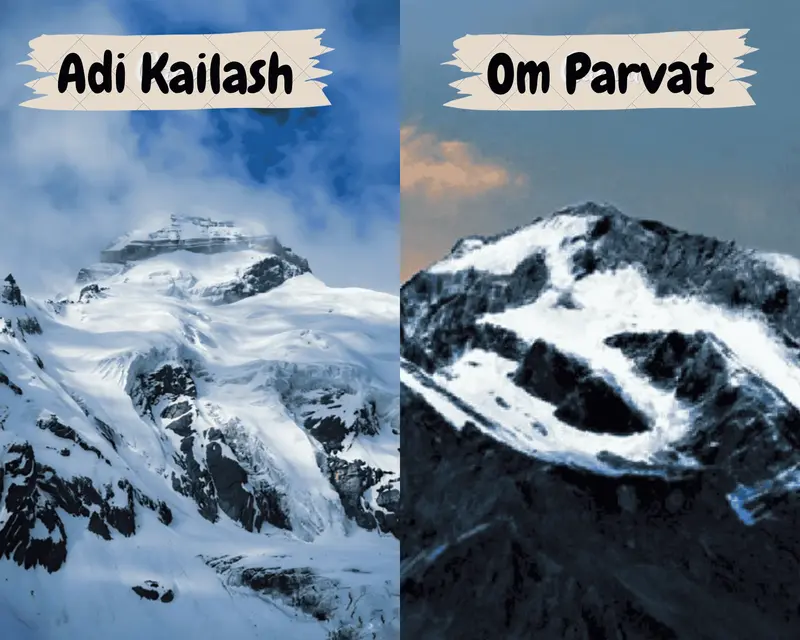
Visiting Adi Kailash and Om Parvat is more than a trip — it's a spiritual adventure combining devotion, Himalayan beauty, and local culture. Below are 15 clear reasons this yatra deserves a place on your travel list, each written to help you decide and plan with confidence.
1. A Replica of Mount Kailash
SpiritualAdi Kailash, often called Chhota Kailash, closely resembles the famed Mount Kailash in Tibet. For pilgrims who cannot travel to Tibet, this offers a deeply meaningful alternative — similar vistas, similar devotion, closer to home.
2. Witness the Divine Om Parvat
Rare & SacredOm Parvat's snow formation creates a visible 'Om' on the mountain face — a rare natural phenomenon with profound spiritual meaning. Pilgrims often describe this darshan as a humbling, unforgettable moment.
3. Tranquility of Parvati Sarovar
MeditationParvati Sarovar is a high-altitude sacred lake associated with Goddess Parvati. Its still waters and the surrounding peaks make it a perfect spot for quiet meditation and spiritual reflection.
4. A Spiritual Pilgrimage of Great Significance
HeritageBoth Adi Kailash and Om Parvat are steeped in Hindu mythology and devotion. The journey connects pilgrims with ancient stories and rituals that enrich the overall spiritual experience.
5. Breathtaking Himalayan Landscapes
SceneryThe yatra offers continuously changing vistas — snow-capped peaks, verdant valleys, rushing rivers and alpine meadows — ideal for nature lovers and photographers alike.
6. A Thrilling Adventure for Trekkers
AdventureTrails to Adi Kailash and Om Parvat involve rewarding trekking sections. Challenging passes and steep paths make this ideal for trekkers seeking both physical test and spiritual reward.
7. Insight into Local Himalayan Culture
CultureVillages like Gunji, Nabi and Kuti give you a close look at Himalayan life, traditions and hospitality — interacting with locals adds cultural depth to the pilgrimage.
8. Sacred Sites Along the Way
LandmarksFrom Parvati Mukut to Pandav Parvat, the route is dotted with sacred spots — each with its own story, adding layers of meaning to the journey.
9. Narayan Ashram: A Serene Retreat
RetreatNarayan Ashram is a quiet, spiritual retreat en route, offering a perfect pause for meditation and introspection amid mountains.
10. The Sacred Kali Mata Temple
TempleNear Om Parvat, Kali Mata Temple is an important shrine that offers devotees a space for reverence and ritual in an extraordinary setting.
11. Rich Biodiversity and Natural Wonders
NatureThe region hosts unique alpine flora and fauna — rhododendrons, medicinal herbs and mountain wildlife — perfect for naturalists and photographers.
12. The Exclusive Inner Line Permit Journey
PermitRequiring Inner Line Permits, the region remains protected and less crowded — the permit process also adds to the sense of an exclusive, carefully stewarded pilgrimage.
13. Improved Accessibility Through Better Roads
AccessRecent road improvements make the approach easier while preserving the remote charm of the higher trails and villages.
14. Solitude Away from Crowded Pilgrimages
QuietThis yatra offers calm, less commercialization, and quieter pilgrimage experience compared with more crowded circuits — ideal for introspection.
15. A Transformative Once-in-a-Lifetime Experience
TransformativeCombining natural beauty, sacred sites and cultural immersion, this journey often leaves a lasting, transformative impact on travelers.
Practical planning notes
- Permits: You will need Inner Line Permits — arrange through your operator or local SDM office.
- Fitness: The trek includes high-altitude sections; moderate fitness and acclimatisation are recommended.
- Cash & services: Carry cash for remote homestays; charging and connectivity are limited in higher villages.
Related reads: Adi Kailash — Complete Guide | Best Time to Visit Adi Kailash